Snap AR Partner Hub
Try it on before you buy it.
The problem
Shopping online means buying blind. You find something you like, read reviews, stare at photos, and still have no real idea what it looks or feels like until it shows up at your door. Brands have been trying to solve this forever.
Snapchat already had the technology. Lens Studio had been letting creators build AR experiences for years, and major brands had been partnering with Snap for a long time. But there was no dedicated place inside the app where a brand could publish a curated AR experience directly to users. No hub, no discovery, just scattered lenses you had to already know existed to find.
What we built
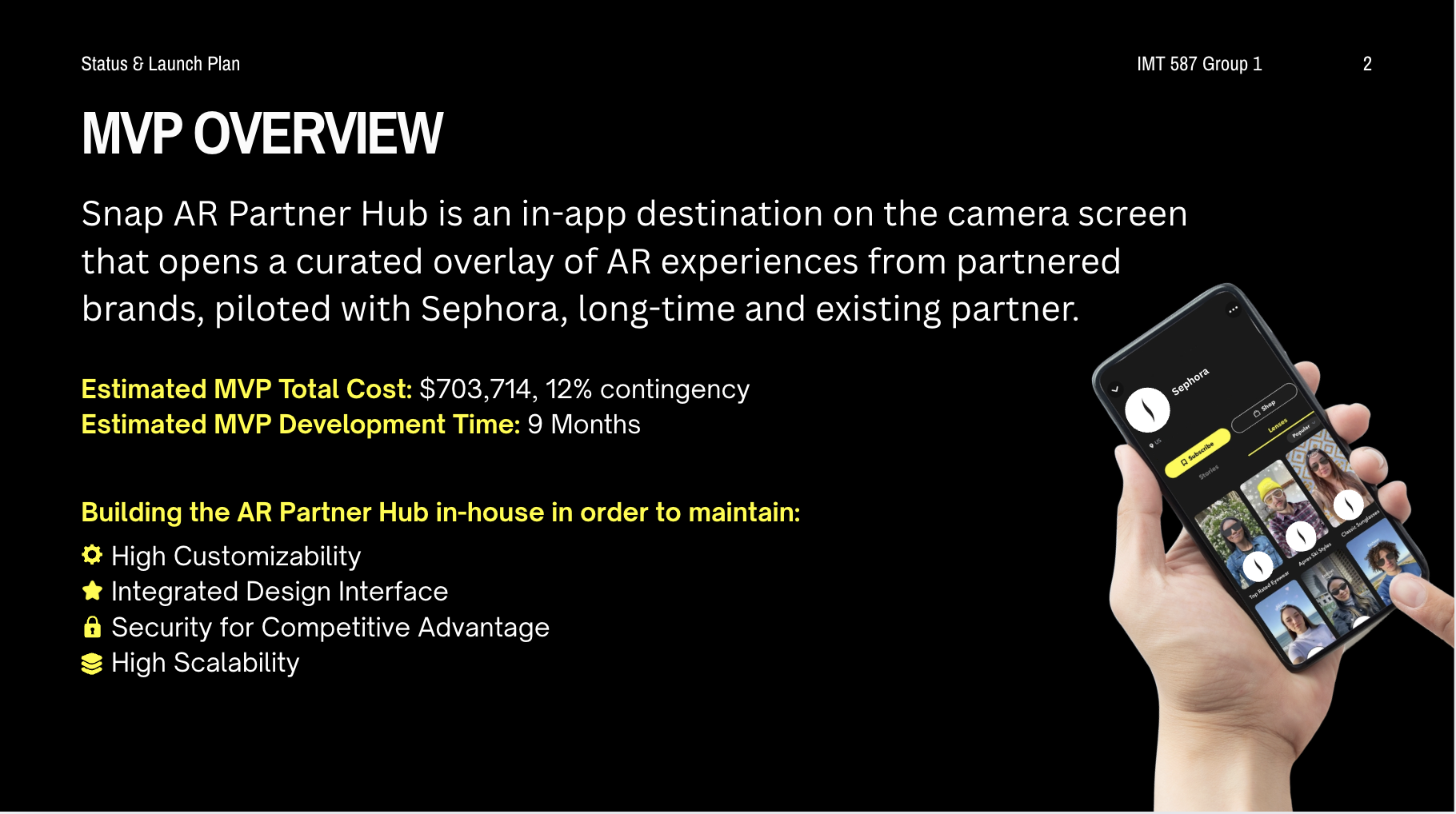
A dedicated in-app destination inside Snapchat's camera where partner brands publish curated AR experiences directly to users. Open the hub, pick a brand, try on or interact with the product in real time before you buy. Sephora was the pilot partner, with the platform built to scale to other brands over time.
The business case was straightforward: Snap needed revenue streams beyond ads, and brands needed a better conversion tool than a static product page. This was the answer to both.
My role
Over 10 weeks I rotated through all four roles on the team, one per sprint. Product Owner, Project Manager, Product Manager, Scrum Master. Same product, four completely different seats.
Sprint 1, Product Owner. Set the vision and OKRs for the team. Not product OKRs yet, but team ones. How we communicate, how we hold each other accountable, how we actually function before we build anything. I learned pretty fast that a clear vision means nothing if the team does not have structure underneath it.
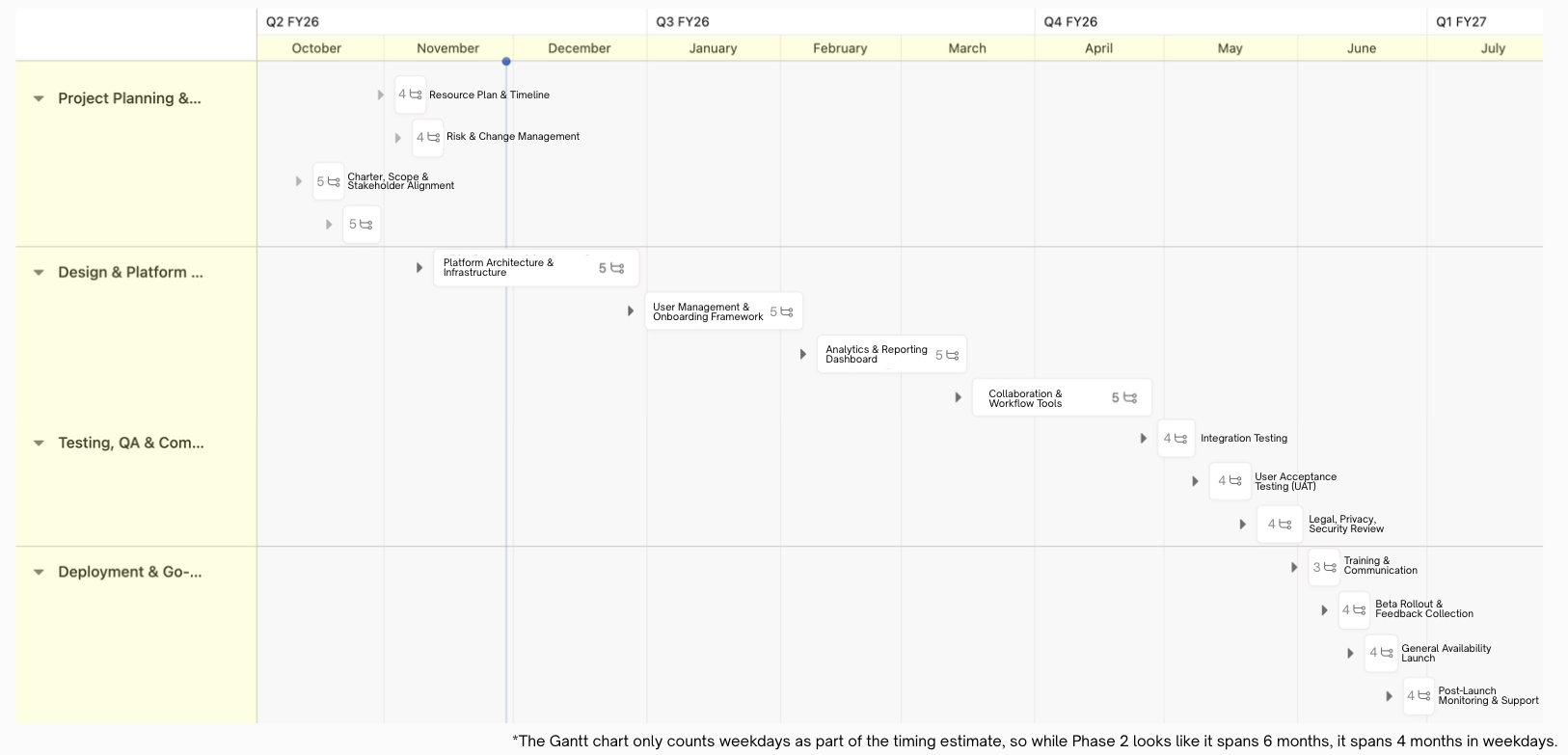
Sprint 2, Project Manager. Owned the schedule and kept the team on track. The thing that stuck with me was how invisible dependencies are until they become a problem. The project manager cannot update the Gantt chart until the product owner finishes the OKRs. Sounds obvious until you are the one following up on it the night before a deadline.
Sprint 3, Product Manager. Built and managed the product backlog, kept priorities clear across the team. This was the role that felt most natural to me. I liked being in the middle of everything, knowing what everyone was working on, and making calls about what needed to happen now versus what could wait.
Sprint 4, Scrum Master. Ran standups, tracked blockers, facilitated the retrospective. The hardest part was staying in the facilitator lane and not jumping in to fix things myself. It taught me that the Scrum Master's job is to make the team work, not to do the work for them.
The change request
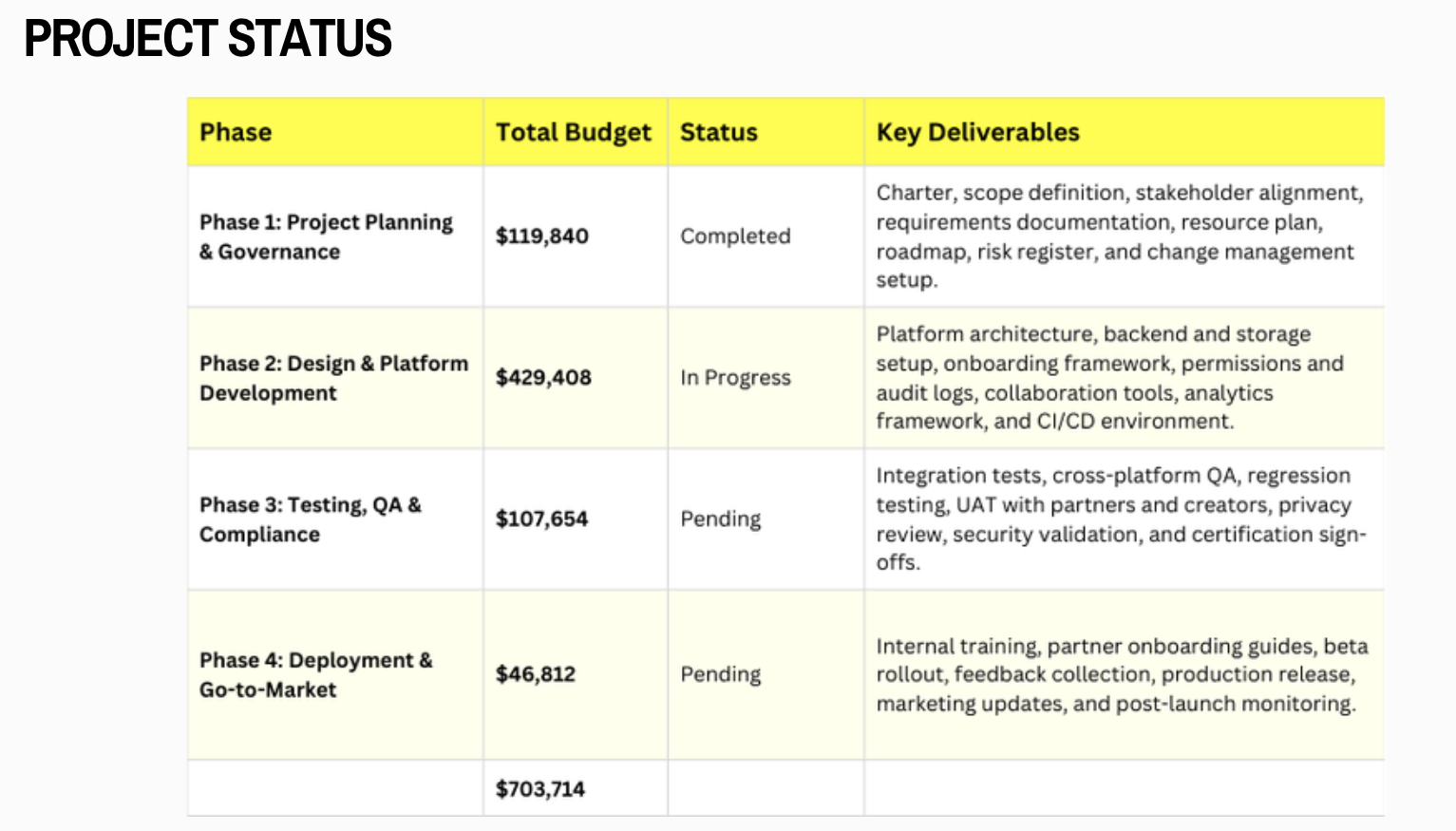
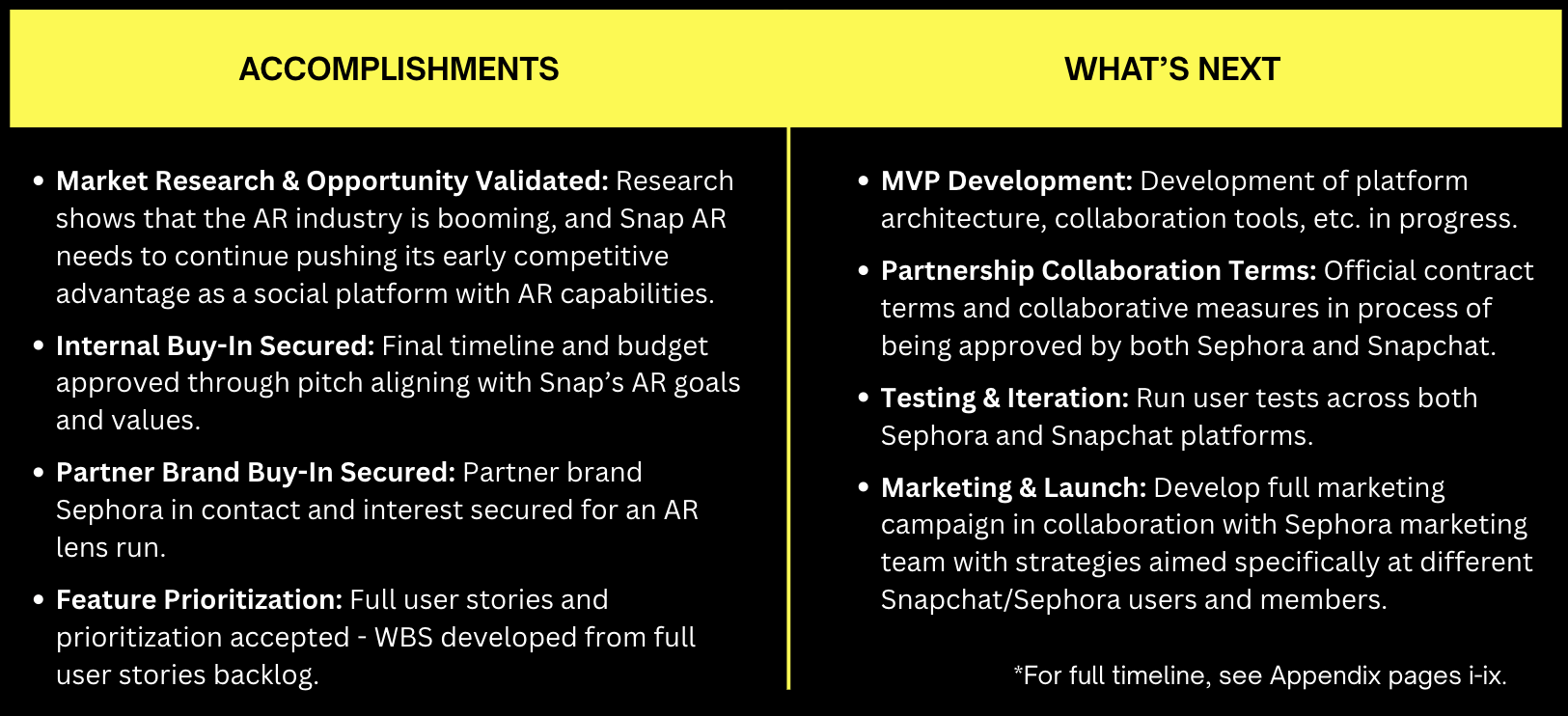
The original timeline was 5 months. Halfway through, it was clear that was not enough. Development and testing with Sephora needed more room, so we filed a formal change request to extend the timeline to 9 months. Budget went from the original estimate up to $703,714 to cover the expanded development phase. The request was reviewed, approved, and documented. That process of catching the underestimation early, making the case for the extension, and getting it signed off was one of the more real things we did in this project.
What I learned
I went into this not knowing which part of product I actually belonged in. I came out knowing.
Product Manager is where I want to sit. Sprint 3 had the most moving parts and honestly the most stress, but it was the first time in the project where everything felt like it was clicking. The organizing, the communicating, the constant context switching between what everyone needed. It just felt right in a way the other roles did not.
Doing all four roles on the same product also gave me something useful: I can actually understand what a Product Manager, Project Manager, Product Owner, and Scrum Master each need from each other. That changes how I work with people, and I did not expect that going in.